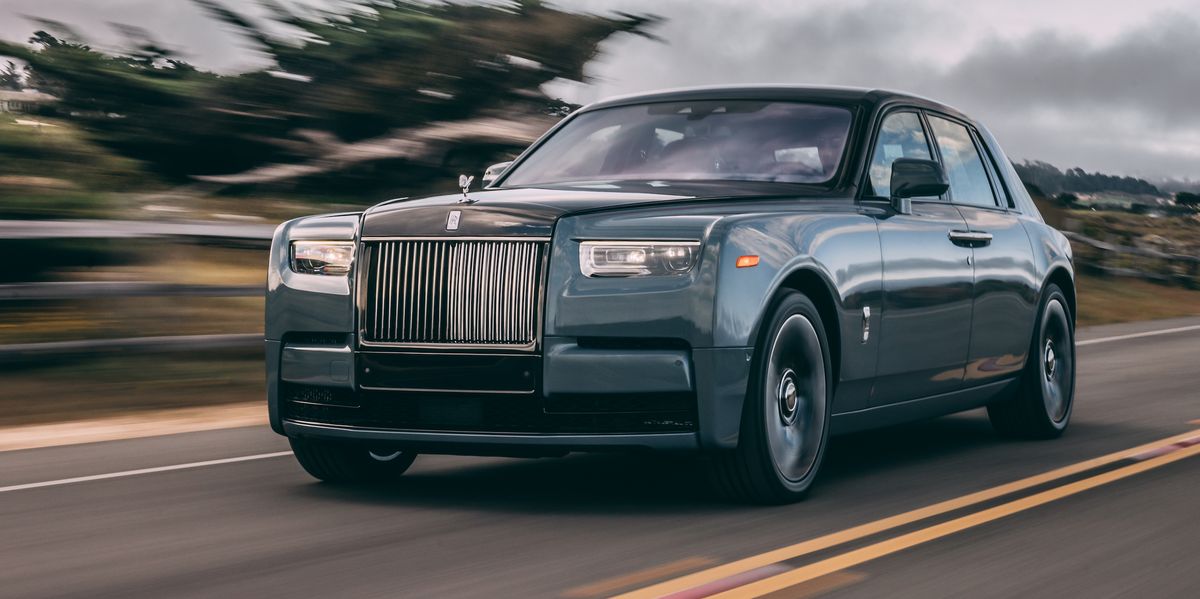
Luxury Cars
A luxury car is a car that provides above-average to high-end levels of comfort, features, and equipment. Often more expensive materials and surface finishes are used, and buyers expect better build quality. The usually higher pricing and more upscale appearance are often associated with higher social status of the users, compared to low and mid-market segment cars.
The term is relative and partially subjective, reflecting both the objective qualities of a car, as well as the projected and perceived image of the car marque. Luxury brands rank above premium brands, though there is no clear demarcation between the two.
Traditionally, most luxury cars were large vehicles, though smaller sports-oriented models were always produced. “Compact” luxury vehicles such as hatchbacks, and off-road capable sport utility vehicles, are more recent expansions of luxury qualities in various cars.
Increasing (comfort) features, materials quality, interior space, innovations, and or performance have consistently been competitive strategies between car makers, practically throughout the history of the automobile
Classification standards
Main article: Car classification
Several car classification schemes include a luxury category, such as:
- Australia: Since the year 2000, the Federal Government’s luxury car tax applies to new vehicles over a certain purchase price, with higher thresholds applying for cars considered fuel efficient. As of 2019, the thresholds were approximately AU$ 66,000 (US$50,000) for normal cars and AU$ 76,000 (US$57,000) for fuel-efficient cars.
- Europe: Luxury cars are classified as F-segment vehicles in the European Commission classification scheme.
- Italy: The term “auto di lusso” is used for luxury ca
- France: The term “Voiture de luxe” is used for luxury cars.
- Germany: The term German: Oberklasse (upper class) is used for luxury cars.
- Russia: The term (автомобиль представительского класса (“representative class vehicle, also translated as a luxury vehicle) is used for luxury cars.
- Rental cars: The ACRISS Car Classification Code is a system used by many car rental companies to define equivalent vehicles across brands. This system includes “Luxury” and “Luxury Elite” categories (along with “Premium” and “Premium Elite” categories) The criteria for a vehicle to be considered “luxury” is not published.
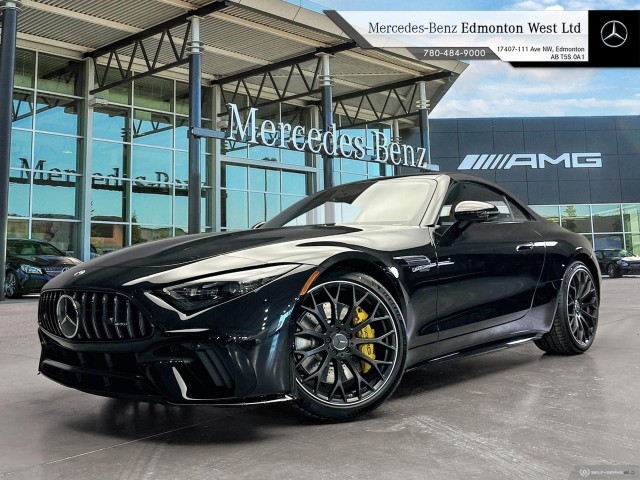
Characteristics
Features
Luxury cars have traditionally emphasized higher levels of comfort and safety. Manufacturers often introduce new safety technologies and comfort amenities on luxury models before they are available on more affordable models.[1 Some brands, like Audi and BMW, have expanded their marketing by “introducing lesser priced and strip-down economy versions of their products.”
Luxury vehicles can be a status symbol for conspicuous consumption. However, since many European luxury car buyers shy away from conspicuous consumption, brands offer buyers the option of removing exterior badges that identify the model name or engine size.
The suspension system of most luxury cars is tuned to prioritize ride quality over handling, however, some cars are marketed as “sports luxury” and have a greater emphasis on handling characteristics.
Layout and powertrain
Traditionally, luxury cars have used a front-engine, rear-wheel drive (FR) layout. The FR layout is more expensive to produce and produces lower fuel economy than a front-wheel drive layout, however, it allows for larger engines (particularly straight-six, V8, and V12) to be used
Some American luxury cars during the 1970s through the 1990s switched to a front-wheel drive layout with a transverse engine, due to the Arab Oil Embargo of 1973 and the 1979 fuel crises which eliminated many FR platforms in favor of the more economical front-wheel drive (FF) layout. From the early 2000s, several of these American luxury cars reverted to FR layouts.[
Since the introduction of the Bentley Continental GT in 2003, additional luxury cars feature all-wheel drive.


.jpg)